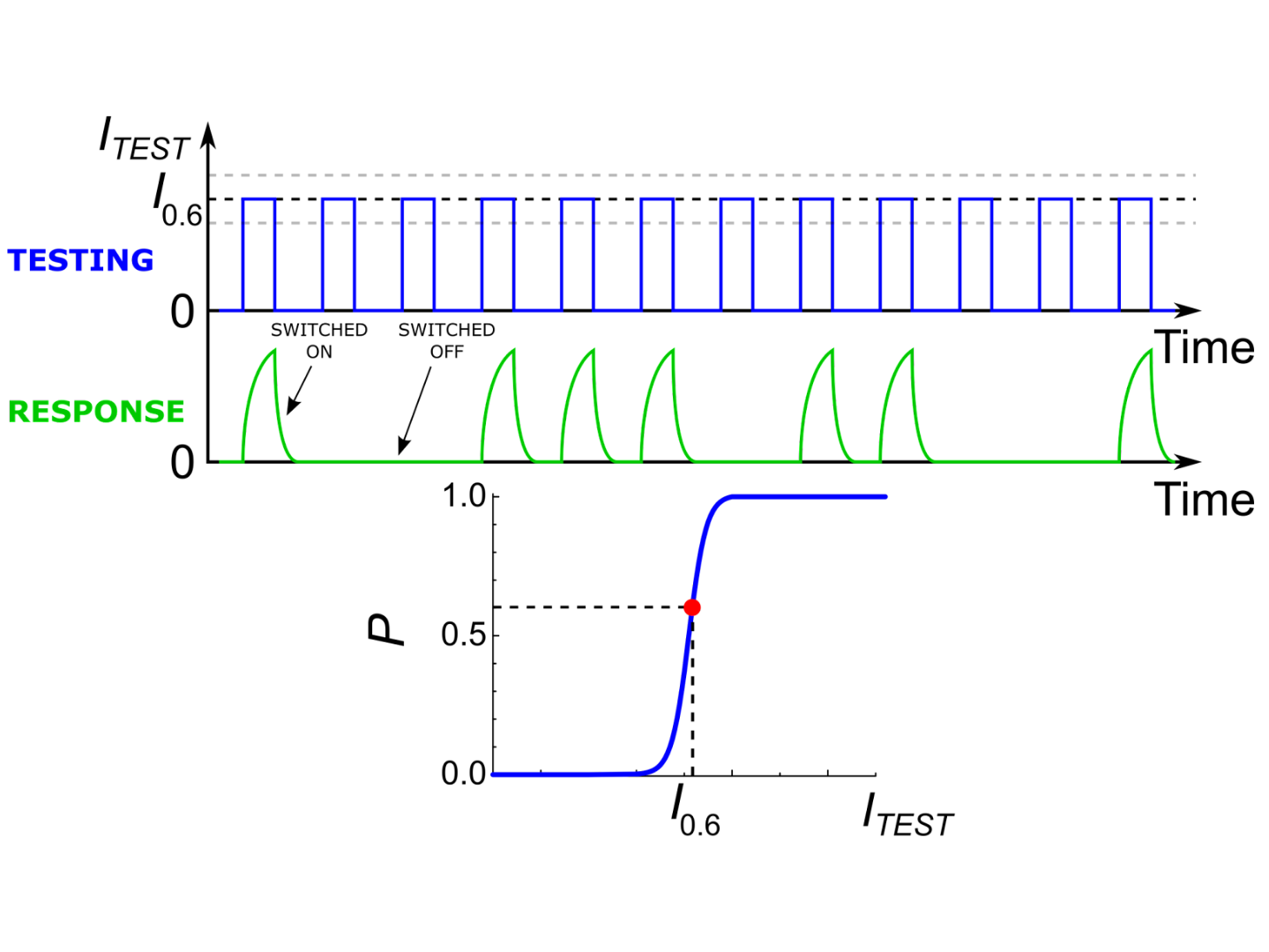
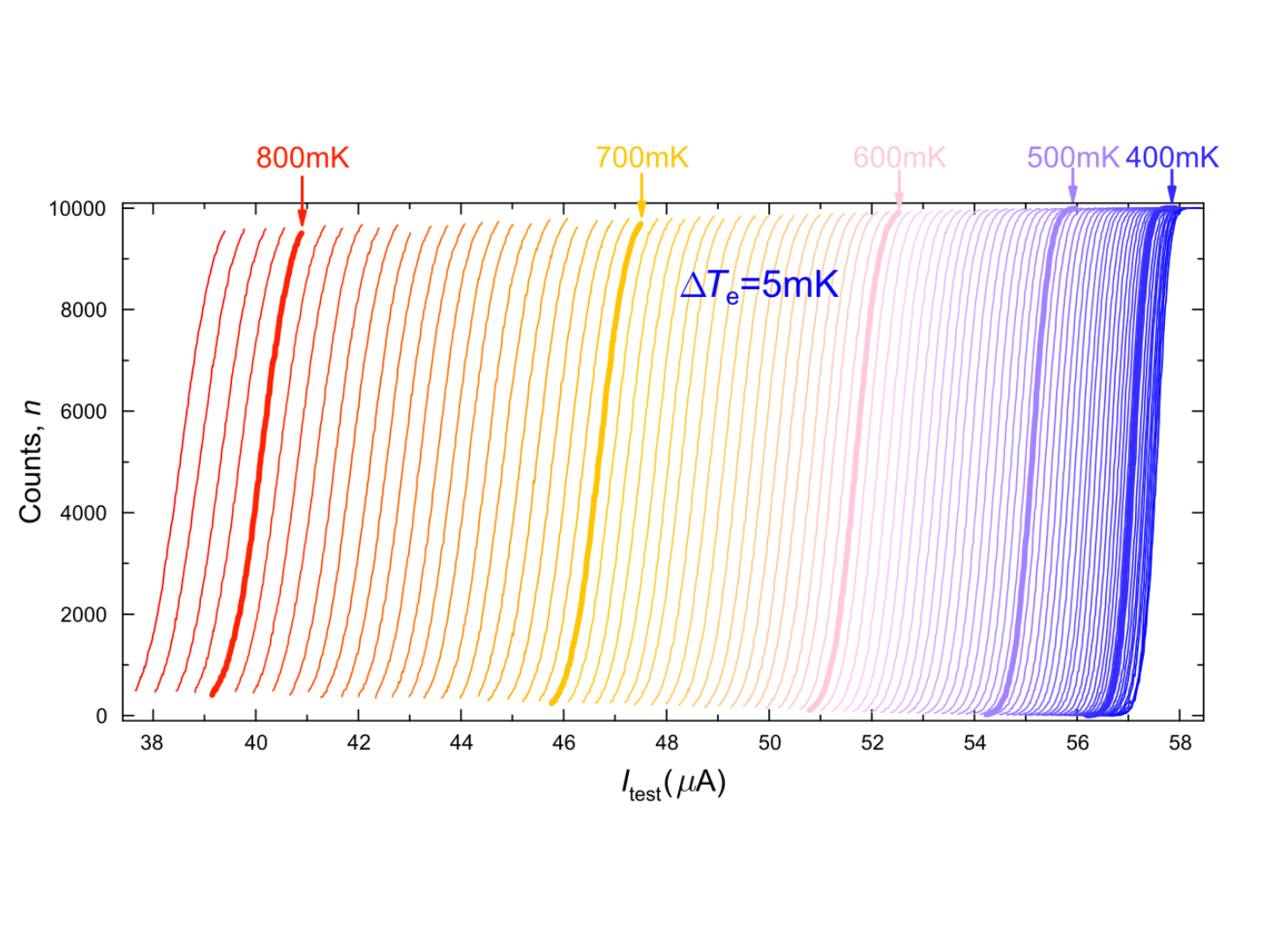
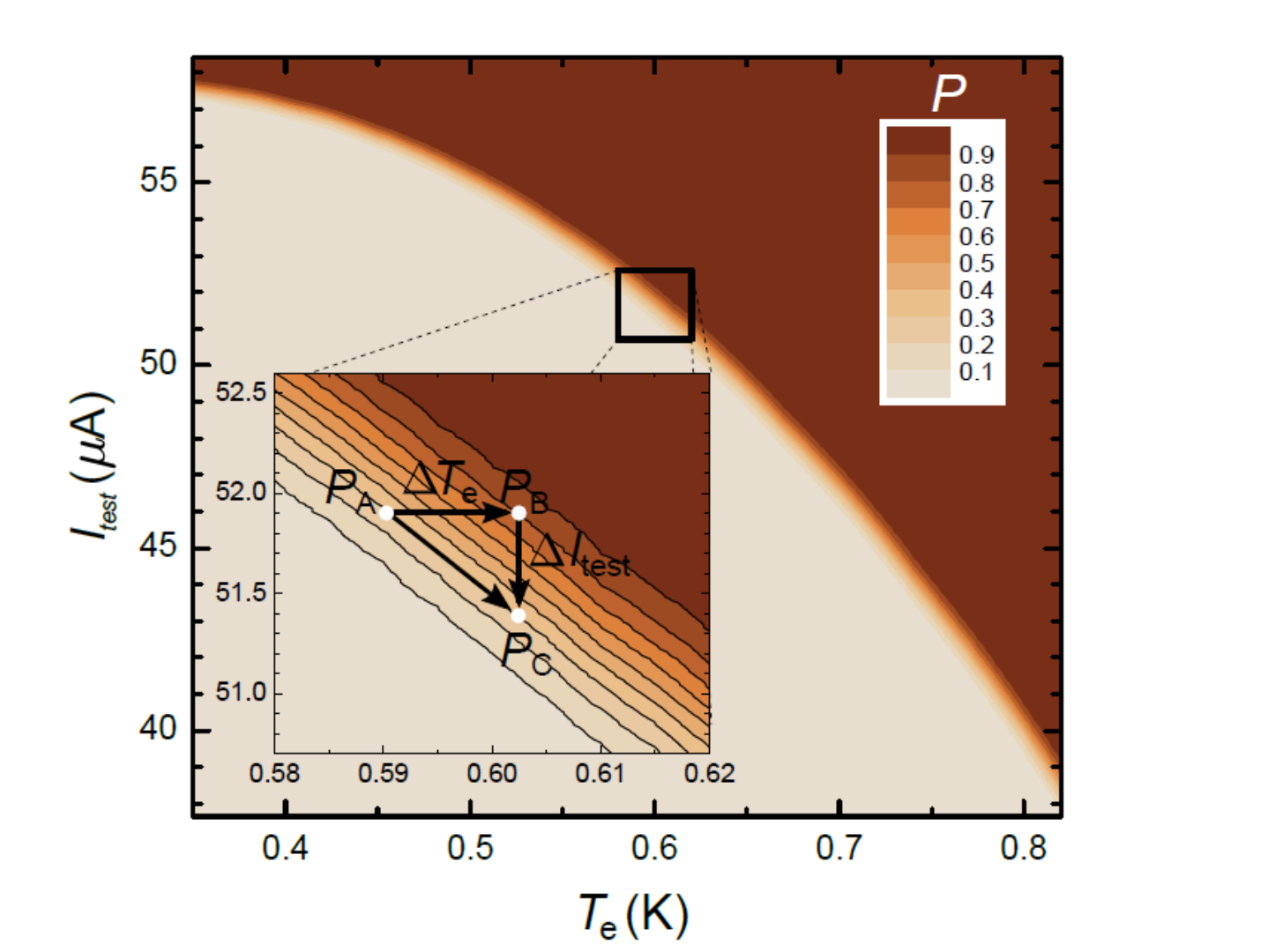
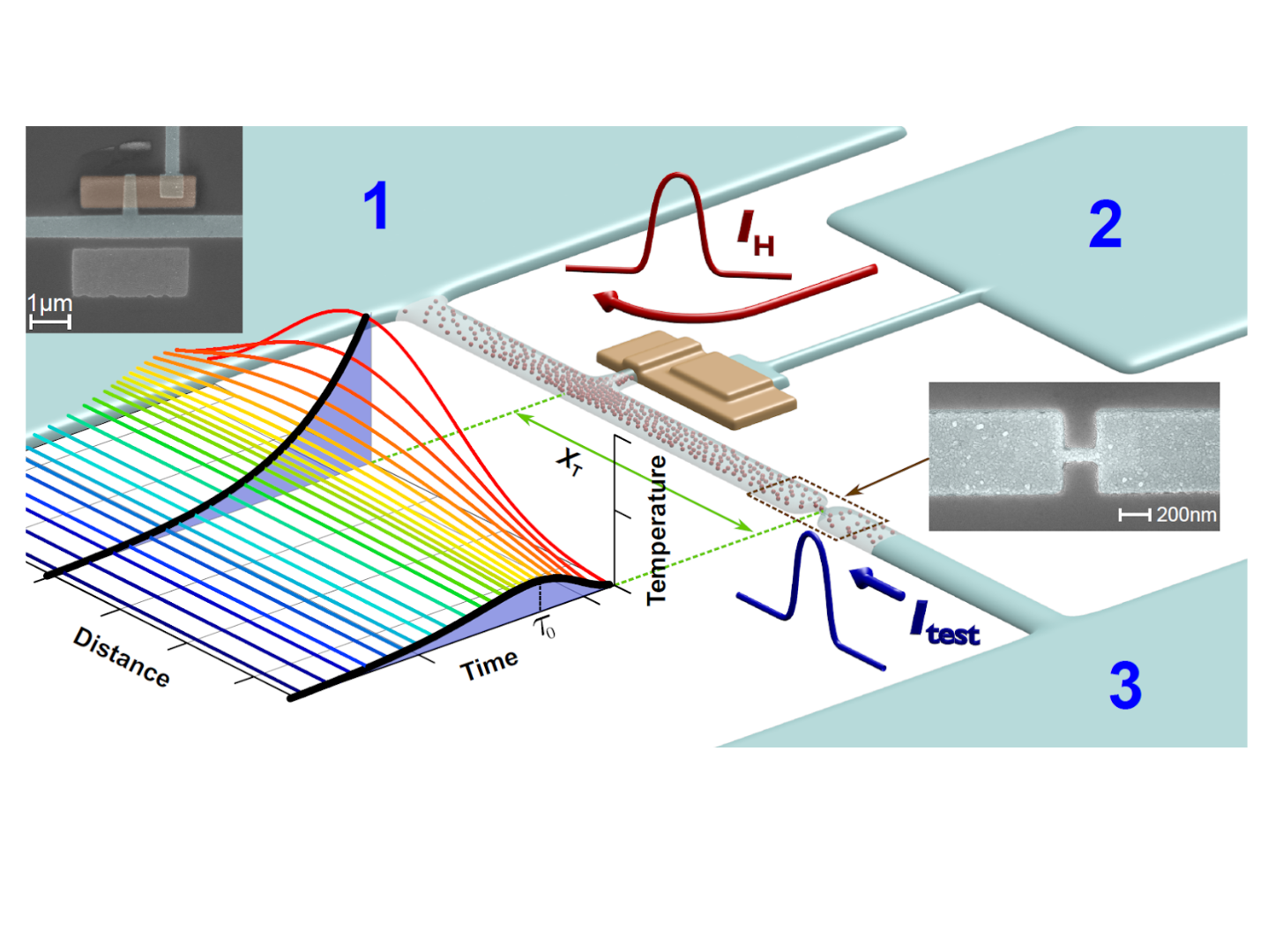
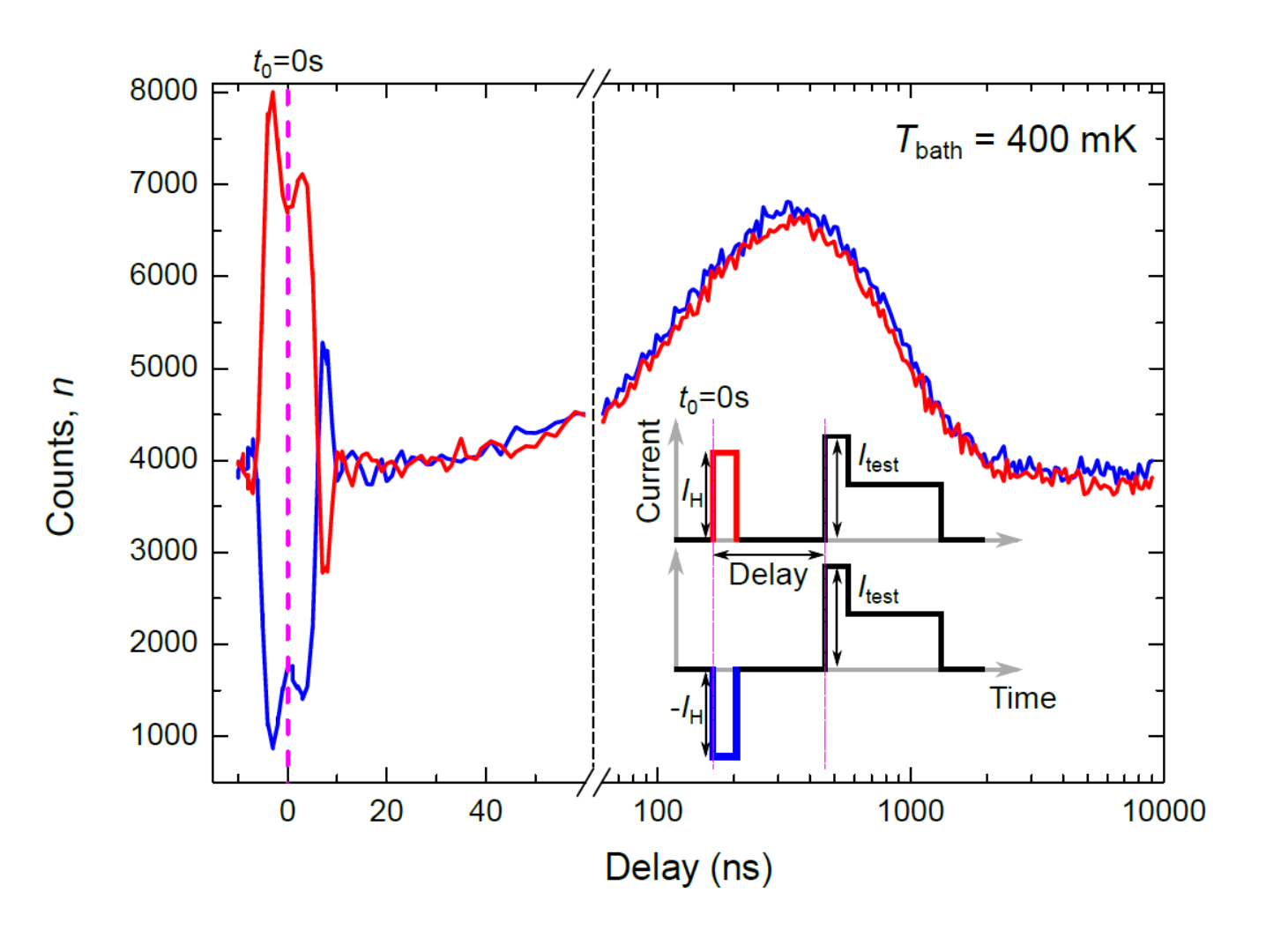
We are building and testing pioneering low temperature functional nanostructures with a special emphasis on superconducting devices. Our expertise involves fast time-resolved thermometry of nanostructures based on the probing of Josephson junctions with short current pulses, which we call the switching thermometry. It allows us to trace the thermal transients with a temporal resolution of a single nanosecond, which appear in the response to a local dissipation. We can directly investigate the dynamics of various energy relaxation channels at the nanoscale. Our second field of interest is vortex electronics. It involves building nanodevices for controlling and manipulating of superconducting vortices to present new functionalities e.g. memory cells and logical elements for application in quantum computing.
We are looking for two PhD students to work in our group. We encourage you to check out all the details of the open positions.
We are pleased to participate in the organization of The Summer School Physics of Quantum Chips 2025 held at the University of Gdańsk. Maciej will teach on superconductivity, SQUID devices, Adreev bound states in Josephson junctions and superconducting nanosecond thermometry. We invite you to learn more about the lessons in the "Teaching" section.
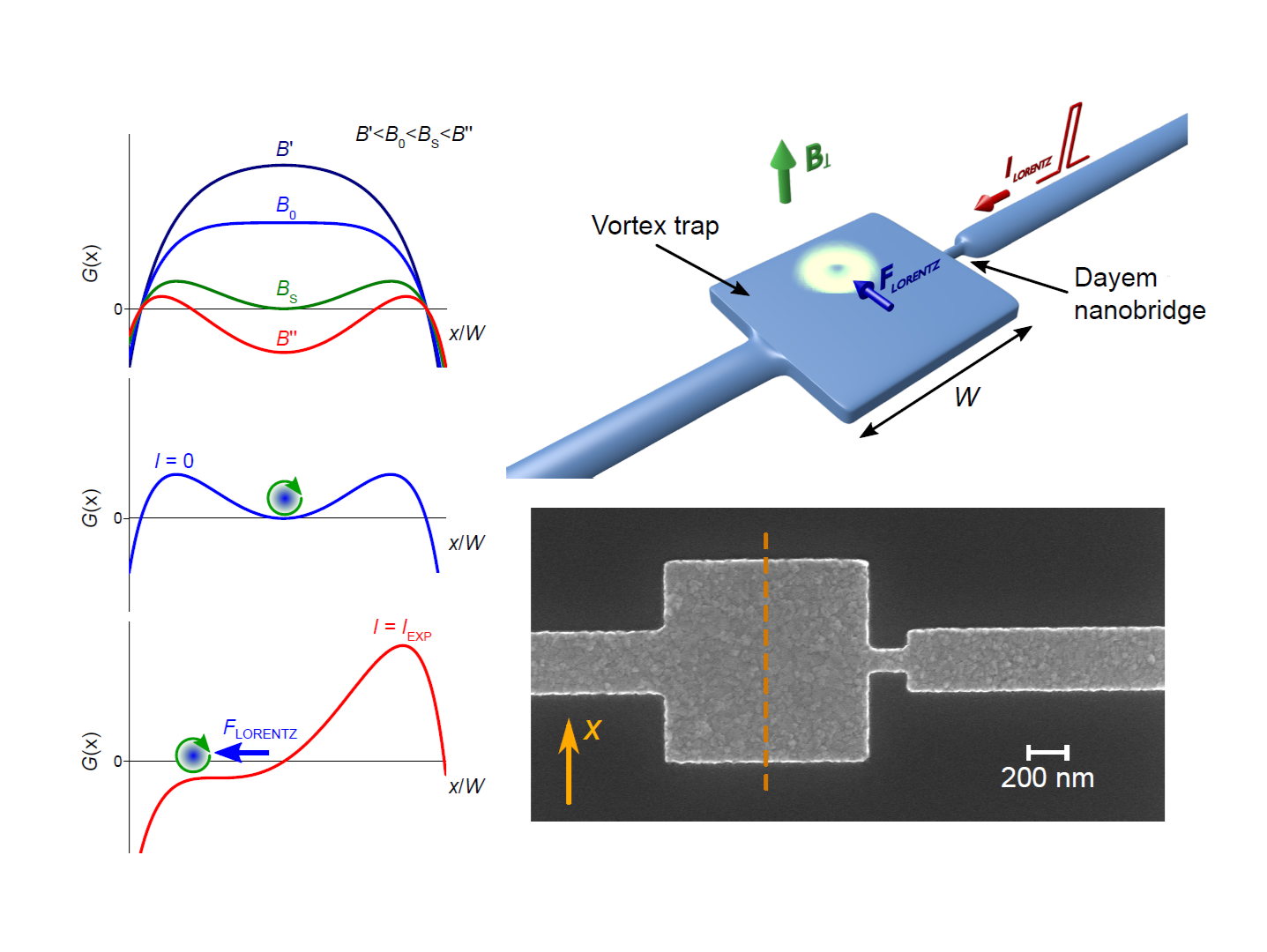
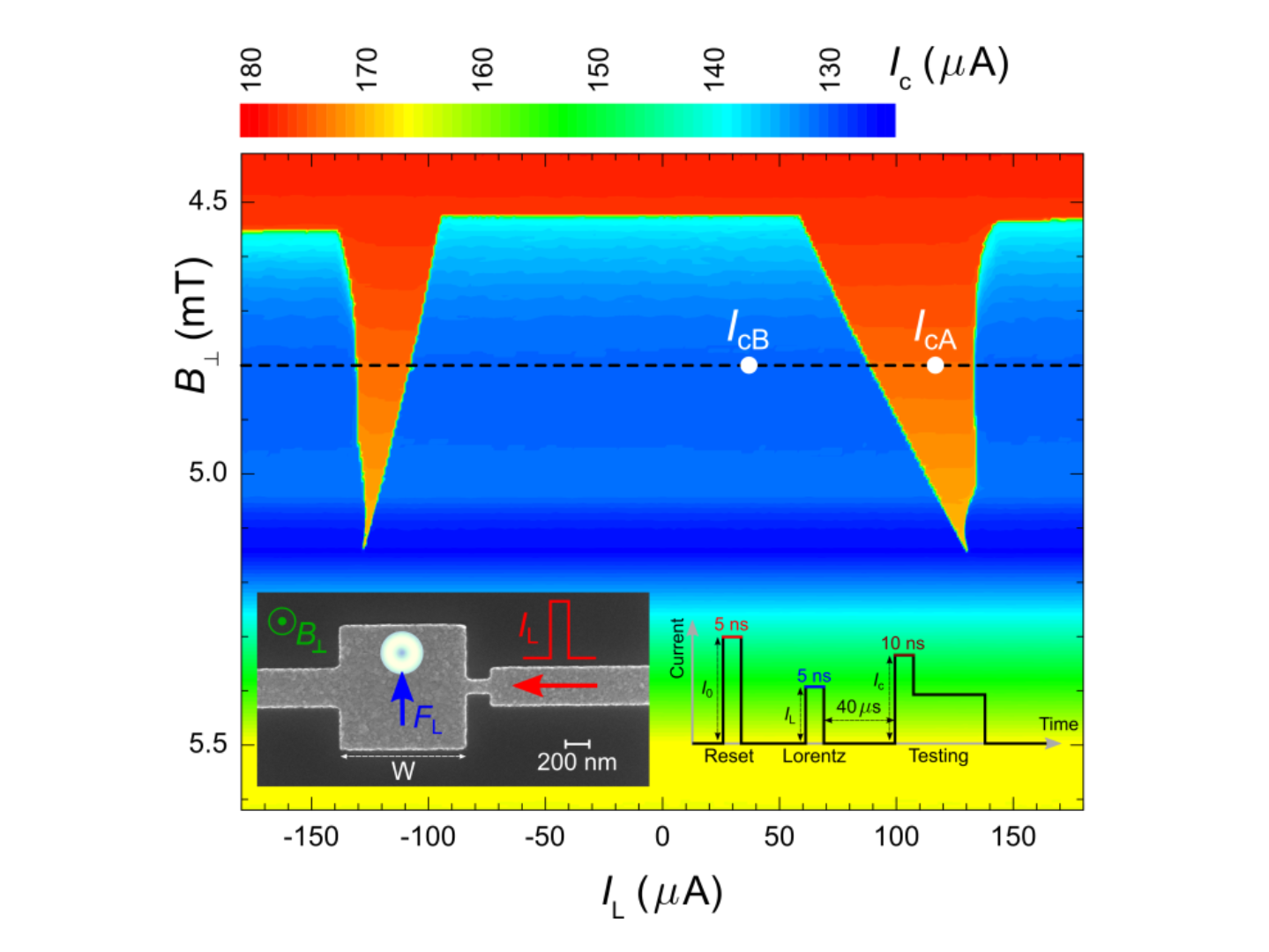
The patent application (P451207) is related to a method of reading and writing logical information in a superconducting memory cell by applying current pulses to a single vortex captured in SVB (Single Vortex Box). Dayem bridge, integrated with SVB, serves as a vortex detector. The proposed method allows for the permanent storage of logical information by controlling the presence of a single vortex in the SVB. Each write/read/reset operation is performed by sending just a single short current pulse.
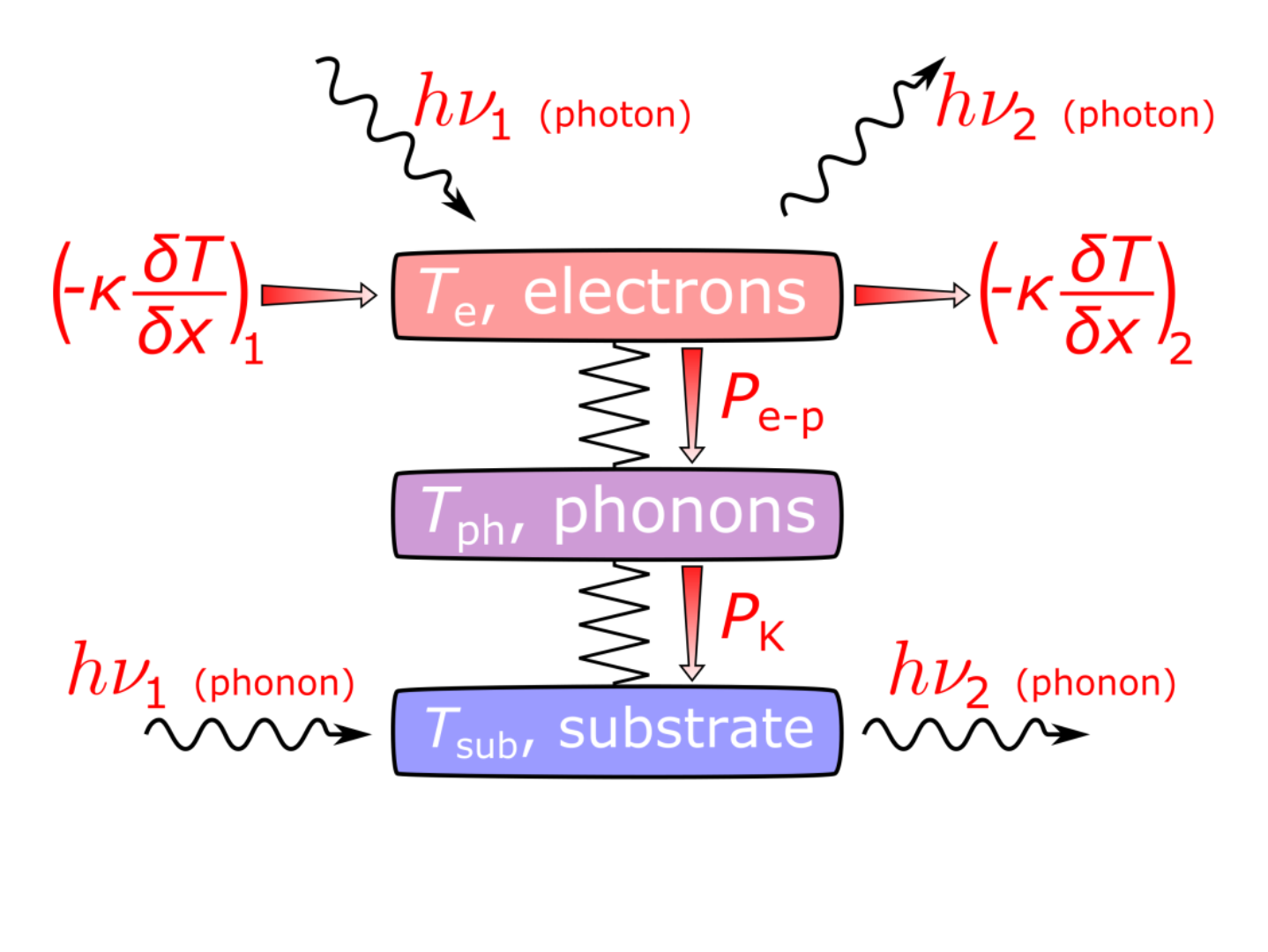
We present our new work on the lifetime of quasiparticles at different temperatures in superconducting aluminum. So far, thermal relaxations of quasiparticles have been measured at low temperatures only. We have succeeded in measuring these times at temperatures up to the critical temperature of aluminum. The lifetime of the quasiparticles at higher temperatures (T>0.7 K) agrees with the calculated energy flow from electrons to phonons, but at lower temperatures is much shorter than predicted by theory.
Our new paper on the manipulation of a single superconducting vortex and its heat dissipation by expulsion from a nanostructure is published in Science Advances. In this paper, entitled "Quantum thermodynamics with a single superconducting vortex", for the first time we measure directly the amount of heat dissipated by the single vortex leaving the volume of the superconductor. We show, with nanosecond resolution, the thermal relaxation of the superconducting square (vortex trap) immediately after the vortex leaves it. Enjoy reading!
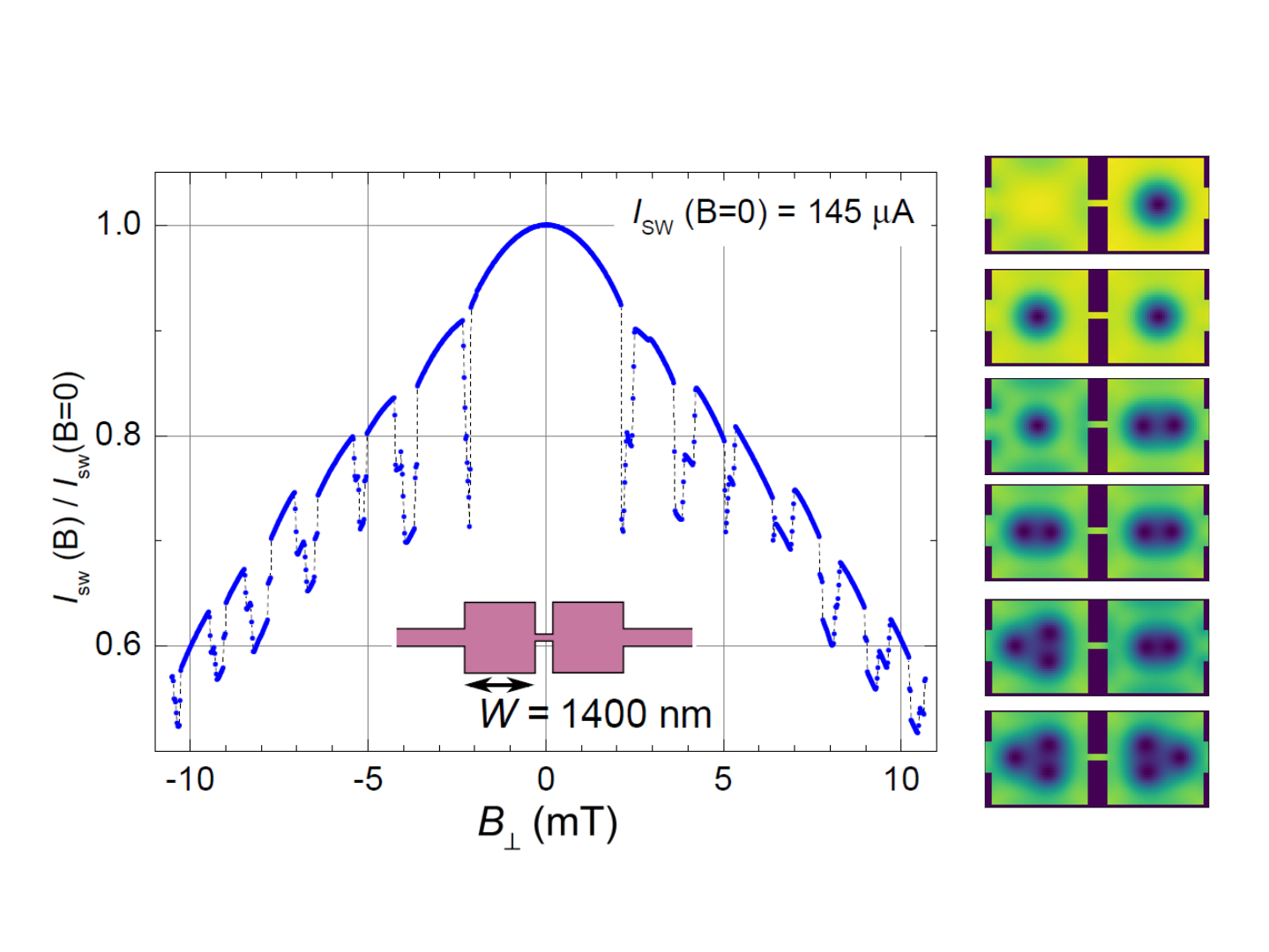
We have published recently a new article in Physical Review Applied titled "Probing Confined Vortices with a Superconducting Nanobridge". In the paper, we show that we are able to detect the presence or absence of such vortices in superconducting squares using the Dayem nanobridge.
We have filed a new Polish patent application for superconducting vortex detection by Dayem nanobridge ("Single magnetic vortex detector based on a superconducting trap integrated into the Dayem bridge" - P.443801).
The habilitation procedure of Maciej Zgirski was completed and recognized with the Director's Annual Awards.



Address:
Institute of Physics, PAS
al. Lotników 32/46, 02-668
Warszawa
Contact:
zgirski@ifpan.edu.pl